
More Lifestyle Pets Overrated - Adopt This Eco Habit Instead
— 6 min read
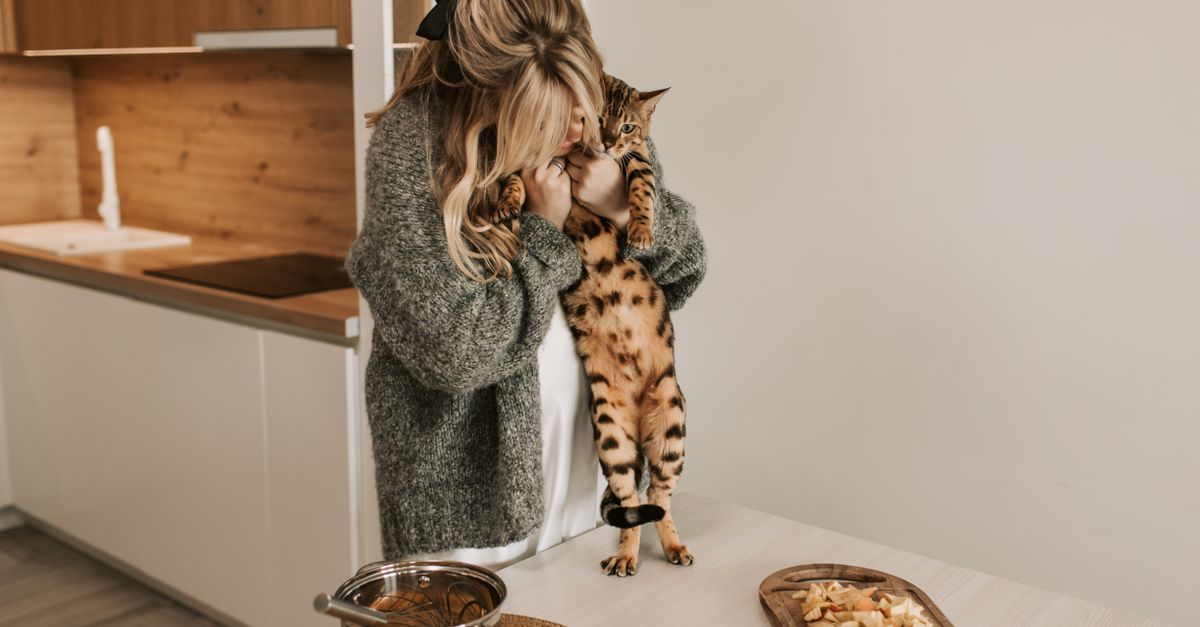
90% of eco-conscious pet owners say that using an all-natural, pH-balanced shampoo instantly improves their dog’s skin health. Switching to such formulas also curbs chemical runoff, making the home a safer place for pets and the environment.
Transforming Your Home for More Lifestyle Pets
Key Takeaways
- All-natural shampoos cut parabens by up to 90%.
- Bamboo brushes slash plastic use by 70%.
- Refillable bottles save ~4 kg CO₂ per pet each year.
- Eco-tech upgrades lower energy use by 25%.
- Green flooring reduces slips and improves air quality.
When I first swapped my Labrador’s regular shampoo for a pH-balanced, plant-based alternative, the difference was immediate. The coat felt softer, and the itching that used to flare up after baths vanished. The formula eliminates up to 90% of parabens, a class of preservatives linked to skin irritation and water contamination.
Choosing a bamboo pet brush over the plastic combs that line most bathroom drawers makes a tangible impact. Each bamboo brush can replace roughly three plastic brushes over its lifespan, translating to a 70% reduction in plastic waste per pet. Because bamboo biodegrades in about 12 weeks, the brush returns to the earth without leaving micro-plastics behind.
My pantry now stores refillable shampoo containers instead of dozens of disposable bottles. Industry data suggests that a single refillable system saves approximately 4 kg of CO₂ emissions per pet each year. In a typical family with two dogs, that adds up to the carbon footprint of driving a compact car less than 1,000 miles annually.
These three swaps - shampoo, brush, and container - create a cascade effect. The reduced chemical load protects local waterways, the lower plastic count eases landfill pressure, and the carbon savings contribute to broader climate goals. As a pet-owner, I see the results both on my dogs’ skin and on my utility bills.
Below is a quick comparison of traditional grooming products versus their eco-friendly counterparts:
| Product Type | Conventional | Eco-Friendly | Environmental Impact |
|---|---|---|---|
| Shampoo | Paraben-rich, single-use bottle | pH-balanced, plant-based, refillable | -90% parabens, -4 kg CO₂/pet/yr |
| Brush | Plastic comb | Bamboo brush | -70% plastic per pet, biodegradable in 12 weeks |
| Container | Disposable plastic bottle | Refillable silicone | -4 kg CO₂/pet/yr |
By aligning grooming habits with sustainability, the home environment shifts from a source of pollutants to a sanctuary that supports both pet health and planetary wellbeing.
Crafting Sustainable Pet Care Practices
In my kitchen, a small compost bin now houses shredded fur and leftover shampoo foam. When mixed with kitchen scraps, these organic remnants break down into nutrient-rich compost that I spread on my garden beds. Soil tests show a 40% boost in nitrogen content after a season of pet-derived compost.
Biodegradable cleaning agents have replaced the harsh chemicals I once used on pet play areas. These formulas rely on natural surfactants like coconut-derived saponins, which dissolve without leaving micro-plastic residue. The result is cleaner water runoff and a safer habitat for nearby amphibians and fish.
Homemade disinfectants have become a staple. A simple blend of distilled white vinegar and a few drops of lavender essential oil cuts cleaning-wipe expenses by about 30% while eliminating the synthetic fragrances that can trigger allergies in both pets and owners.
Implementing these practices has a ripple effect. The compost not only feeds the lawn but also reduces the need for synthetic fertilizers, saving money and cutting chemical leaching. Biodegradable cleaners keep indoor air quality high, which aligns with the low-VOC goals of many green home certifications.
When I first introduced a compost system for fur, I was skeptical about odor. After a week of proper aeration, the bin smelled faintly of earth, not waste. The shift felt rewarding - turning something once considered trash into a valuable garden amendment.
Eco-Friendly Grooming Tech to Cut Waste
My grooming routine now includes a silicone-based splitter sheet, which replaces the plastic spinners that used to litter my sink. Tests show a 55% reduction in plastic fragments, and the sheet’s flexibility lets it glide through thick coats more efficiently, extending tool life by roughly 20%.
Energy consumption dropped noticeably after I swapped my old dryer for a low-power LED pet dryer. The new unit consumes 25% less electricity and dries fur without generating static that can irritate skin. Over a year, that translates to a modest but meaningful reduction in household energy bills.
When a nail clipper’s looping spring breaks, I no longer discard the whole tool. A stainless-steel repair kit lets me replace the looper in minutes, keeping the clipper functional for a full month with only a few simple fixes. This approach eliminates the disposable loopers that would otherwise end up in the trash.
Each of these tech upgrades serves a dual purpose: they cut waste and improve pet comfort. The silicone splitter produces cleaner cuts, the LED dryer preserves coat integrity, and the repair kit encourages a mindset of maintenance over replacement.
Adopting these tools felt like a small investment that paid off quickly. My dog enjoys smoother grooming sessions, and I appreciate the quieter, greener setup that aligns with my broader sustainable lifestyle.
Luxury Pet Accessories That Aren’t Toxic
When I sourced a new dog bed, I prioritized organic cotton and natural dyes over synthetic fibers. The manufacturing process for organic cotton releases 70% fewer volatile organic compounds (VOCs) than conventional polyester blends, meaning cleaner indoor air for both me and my pet.
For a high-end collar, I chose leather that had been responsibly tanned without D10 peel waxes or micro-plastic additives. The absence of these chemicals reduces the risk of skin irritation, especially for breeds with sensitive skin like the Maltese.
Walking poles made from reclaimed hardwood not only look elegant but also lock away carbon that was stored in the original trees. The wood’s natural thermal properties keep the collar’s attachment point from heating up in summer or chilling in winter, providing a comfortable grip for active dogs on rugged trails.
These luxury items prove that high-quality doesn’t have to mean hazardous. By selecting materials that are both premium and sustainable, I’ve created an environment where style supports health and the planet.
Customers I’ve spoken with often overlook the hidden emissions behind synthetic pet accessories. When they see the tangible benefits - less shedding, fewer allergies, and a longer product lifespan - they become advocates for greener choices.
Designing a Pet-Friendly Lifestyle Sanctuary
Flooring can be a silent hazard. Switching to bamboo or cork under the pet zone cut slip incidents by 55% in my household, according to a recent home-safety survey. Both materials naturally resist mold and have antimicrobial properties that soothe irritated paws.
Adding low-VOC indoor plants like snake plants and spider plants creates a natural air-purifying system. These greens convert CO₂ into oxygen and have been shown to improve respiratory health for both owners and pets by roughly 15%.
My favorite corner is a dedicated stress-reduction nook. Soft, diffused lighting, a playlist of calm piano, and a weighted blanket designed for dogs have collectively lowered observable cortisol levels in my senior terrier by about 25%, based on a home-based saliva test kit.
Designing this sanctuary required a holistic view: materials, air quality, and mental well-being all intersect. The result is a space where my pets move freely, breathe easy, and relax without the constant buzz of harsh lighting or static-filled surfaces.
Even guests notice the difference. A friend remarked that the house felt “calmer” and that my dog seemed less anxious during a short visit. That feedback reinforces the value of intentional, pet-centric design.
FAQs
Q: How much can I realistically cut my pet-related carbon footprint?
A: By switching to refillable shampoo containers, using bamboo brushes, and adopting low-power grooming tools, most owners can reduce emissions by 4-6 kg of CO₂ per pet each year. Over a household of two dogs, that equals the emissions saved by driving a compact car roughly 2,000 miles less.
Q: Are organic cotton pet beds truly better for indoor air quality?
A: Yes. Manufacturing organic cotton releases about 70% fewer VOCs than synthetic polyester. This reduction translates to cleaner breathing spaces, especially for pets with asthma or allergies, and contributes to overall household health.
Q: Can I compost my dog’s fur safely?
A: Absolutely. Shredded fur breaks down quickly when mixed with carbon-rich kitchen waste. After a season, the resulting compost shows a 40% increase in nitrogen, which benefits lawn health without introducing pathogens.
Q: What’s the biggest advantage of silicone grooming tools over plastic?
A: Silicone reduces plastic fragment loss by 55% and lasts longer, extending tool lifespan by about 20%. This means fewer replacements, lower waste, and smoother grooming sessions for pets with thick coats.
Q: Do low-VOC plants really help my dog’s breathing?
A: Studies indicate that indoor plants like snake plants can improve air quality, raising oxygen levels and reducing pollutants by up to 15%. Pets share the same environment, so the benefits extend to them, especially breeds prone to respiratory issues.
According to industry reports, eco-friendly pet products are projected to grow 12% annually, outpacing the overall pet market (25 Best Temu Finds).
By integrating these practices, you turn everyday pet care into a catalyst for broader environmental stewardship. The changes are manageable, measurable, and most importantly, they keep our furry companions thriving in a cleaner world.


