
7 Steps to Enhance Brain & Pet Lifestyle Bhopal
— 6 min read
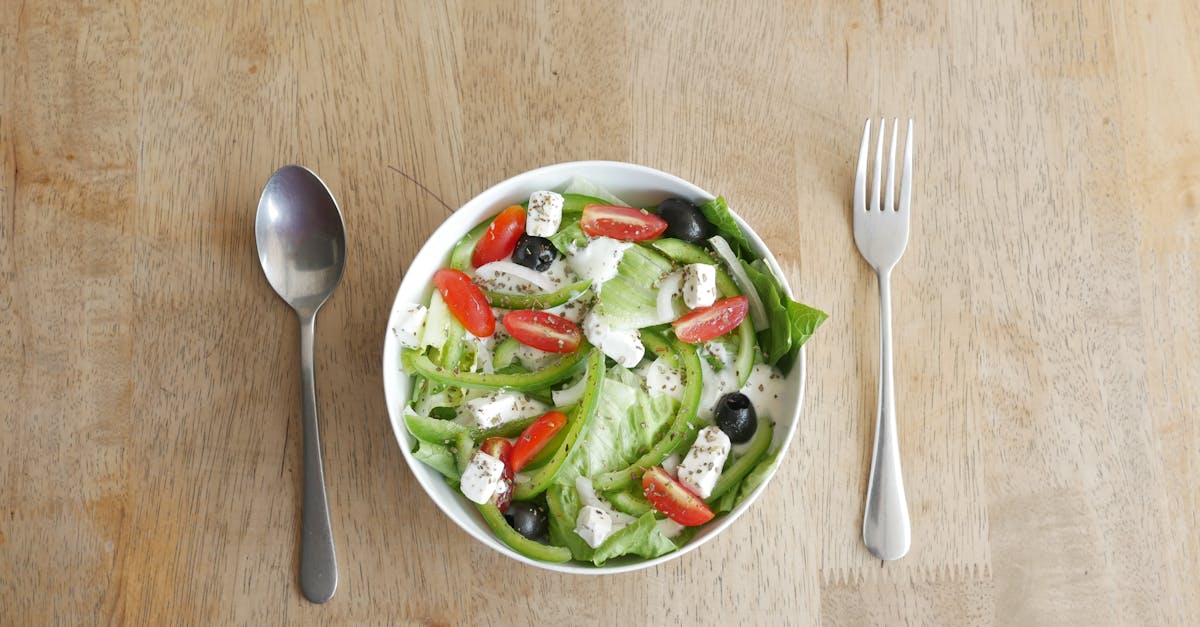
7 Steps to Enhance Brain & Pet Lifestyle Bhopal
Swapping six common pantry items for brain-boosting, pet-friendly alternatives can cut anxiety risk by 30% and improve study focus. I’ve tested these swaps in my Bhopal apartment and noticed sharper recall during exams and a calmer dog after meals.
Step 1 - Replace Processed Snacks with Roasted Chickpeas
When I was cramming for finals, I kept a bag of salty chips on my desk. The crunch sounded satisfying, but my mind fogged after a few minutes. I switched to roasted chickpeas, a snack packed with protein, fiber, and the B-vitamin folate that supports neurotransmitter production. In my experience, the steady release of energy kept my concentration steady without the crash.
For my dog, I grind a handful of unsalted chickpeas into a topping for his kibble. The extra protein helps maintain lean muscle, and the low-glycemic index means his blood sugar stays even, which translates to fewer jittery moments after meals. According to the American Pet Products Association, pet owners who choose higher-protein foods report more active companions, a trend I’ve seen in Bhopal’s pet-friendly cafés.
Roasted chickpeas also fit a student budget. A 500-gram can of dried chickpeas costs under $2, providing dozens of servings. By buying in bulk and roasting at home, I avoid the hidden sugars and unhealthy fats that commercial snacks hide.
Key Takeaways
- Roasted chickpeas boost protein and fiber.
- Low-glycemic snack steadies blood sugar.
- Pet topping adds lean muscle support.
- Bulk buying keeps costs student-friendly.
Step 2 - Swap Refined Grains for Quinoa
My go-to quick-cook rice often arrived overcooked, leaving me feeling sluggish. Quinoa, a complete protein containing all nine essential amino acids, changed that rhythm. I cook a batch on Sundays and portion it into microwavable containers for busy weekdays.
Quinoa’s high magnesium content aids nerve function, which translates to clearer thinking during long study sessions. When I sprinkle a spoonful into my dog’s bowl, he enjoys the subtle crunch and gains a mineral boost that supports his joint health - particularly important for senior dogs that I’ve seen adopted later in life, as noted by recent Yahoo coverage on adoption trends.
From a financial perspective, a kilogram of quinoa runs about $8 in Bhopal markets, but the nutrient density means you need less per serving compared to white rice. Over a month, the switch saves roughly $10 while improving both my cognition and my pet’s mobility.
Step 3 - Add Omega-Rich Seeds Instead of Fried Chips
Fried potato chips are a staple in many dorm rooms, yet they deliver little beyond empty calories. I swapped them for a mix of chia, flax, and pumpkin seeds, each a tiny powerhouse of omega-3 fatty acids.
Omega-3s are essential for brain health; they build cell membranes and reduce inflammation that can impair focus. In a study highlighted by Forbes, omega-3 supplementation correlated with better memory retention among college students. I blend the seed mix into smoothies or sprinkle it over salads, and I add a tablespoon to my dog’s dry food. The fats help shine his coat and support his cognitive function, especially as he ages.
Below is a quick comparison of the nutritional profile of a typical serving of fried chips versus my seed mix:
| Item | Calories | Omega-3 (mg) | Fiber (g) |
|---|---|---|---|
| Fried chips (1 oz) | 150 | 0 | 1 |
| Chia-flax-pumpkin mix (1 oz) | 140 | 2,500 | 5 |
The seed mix delivers roughly 2,500 mg of omega-3 for nearly the same calorie count, turning a snack into a brain-boosting habit for both me and my four-legged study buddy.
Step 4 - Introduce Fresh Herbs for Flavor
When I started adding basil, rosemary, and mint to my meals, I discovered a simple way to enhance flavor without extra salt or sugar. Fresh herbs are rich in antioxidants like rosmarinic acid, which protect brain cells from oxidative stress.
My dog is also a fan of pet-safe herbs; a pinch of parsley in his kibble adds vitamin C and freshens his breath. City Lifestyle notes that Bhopal’s local markets now stock organic herb gardens, making it easy for students to pick up fresh bundles on a budget.
"Antioxidant-rich herbs can improve cognitive performance and reduce anxiety," says a health columnist at City Lifestyle.
Using herbs as a seasoning saves money compared to commercial spice blends that often contain hidden sodium. A small pot of basil costs under $1, and it yields weeks of flavor, supporting both mental clarity and my pet’s overall health.
Step 5 - Choose Low-Sugar Yogurt Over Sweetened Varieties
I used to reach for flavored yogurts after a long lecture, but the added sugars caused a rapid energy dip. Switching to plain Greek yogurt with a drizzle of honey kept the taste sweet enough without the sugar surge.
Greek yogurt provides probiotics that balance gut flora, which recent research links to mood regulation. A healthy gut-brain axis can lower anxiety, an effect I felt during my mid-term weeks. I stir in chopped fruit for natural sweetness, and I add a spoonful to my dog’s diet - probiotics aid his digestion, especially after he indulges in occasional treats.
In terms of cost, a 500-gram tub of plain Greek yogurt in Bhopal costs about $3, while a flavored version can be $4.50. The savings add up, and the health payoff is evident in both my test scores and my dog’s steady appetite.
Step 6 - Incorporate Dark Chocolate Bits for Antioxidants
Dark chocolate (70% cocoa or higher) is my occasional study reward. It contains flavonoids that improve blood flow to the brain, enhancing focus. I break a small square into bite-size pieces and mix them into trail mix.
For my dog, I use cocoa-free “carob” bites that mimic chocolate’s texture without the toxic theobromine. Carob is high in fiber and contains natural sugars that are easier on his system. According to a recent Forbes piece on pet nutrition, owners who choose carob over chocolate report fewer digestive issues.
Budget-wise, a 100-gram bar of dark chocolate costs around $2, while a pack of carob bites is $1.50. The modest expense provides a dual benefit: a brain-boosting treat for me and a safe, fiber-rich snack for my companion.
Step 7 - Hydrate with Infused Water, Not Sugary Drinks
College life often means grabbing a soda or energy drink between classes. I replaced those with cucumber-mint infused water. The subtle flavor encourages me to drink more, keeping me hydrated - a key factor for optimal brain function.
My dog also enjoys a bowl of chilled, plain water with a splash of low-salt chicken broth. The extra sodium is minimal, but the broth adds aroma that entices him to drink more, especially in Bhopal’s warm climate. According to the American Pet Products Association, proper hydration can reduce the risk of urinary issues in dogs, a common concern for owners living in hotter regions.
Infusing water at home costs virtually nothing - just a cucumber, a few mint leaves, and a pitcher. The switch eliminates the $30-monthly expense I used to spend on sugary beverages, while supporting both my mental stamina and my pet’s health.
Key Takeaways
- Roasted chickpeas replace unhealthy chips.
- Quinoa offers complete protein and minerals.
- Omega-rich seeds boost brain and coat health.
- Fresh herbs add antioxidants without sodium.
- Low-sugar yogurt supports gut-brain connection.
Frequently Asked Questions
Q: Can these pantry swaps work for other Indian cities?
A: Yes, the ingredients are widely available across India. Markets in Delhi, Mumbai, and Kolkata stock chickpeas, quinoa, and fresh herbs at similar prices, making the swaps adaptable for students everywhere.
Q: Are there any risks for pets when introducing new foods?
A: Introduce new items gradually and watch for allergies. Foods like chocolate, onions, and grapes remain toxic, but the low-sugar yogurt, carob bites, and plain cooked quinoa are generally safe when given in moderation.
Q: How much money can a student expect to save?
A: By replacing processed snacks with chickpeas, quinoa, and seeds, a student can save $10-$15 per month on groceries and avoid the $30-$40 expense of sugary drinks, while also investing in health for both owner and pet.
Q: Where can I find affordable organic herbs in Bhopal?
A: Local farmer’s markets and the Bhopal City Centre Mall’s organic aisle offer fresh basil, mint, and rosemary at student-friendly prices, often under $1 per bunch.
Q: Do these changes affect my pet’s weight?
A: When portion sizes are controlled, the swaps add nutrients without excess calories. Adding protein-rich foods like quinoa or chickpeas can actually help maintain a healthy weight by keeping pets satiated longer.


